
Eosinophilic Esophagitis
Overview
Eosinophilic Esophagitis (EoE) is a chronic, immune-mediated inflammatory condition of the esophagus in which a high number of eosinophils (a type of white blood cell) accumulate in the esophageal lining. This inflammation leads to symptoms such as difficulty swallowing, food getting stuck (food impaction), and chest discomfort. Over time, ongoing inflammation can cause scarring and narrowing of the esophagus, increasing the risk of more severe swallowing problems.
EoE is often associated with food or environmental allergens and commonly occurs in individuals with other allergic conditions such as asthma or eczema. Diagnosis is confirmed with endoscopy and biopsy. Treatment typically includes proton pump inhibitors (PPIs), swallowed topical steroids, and dietary elimination strategies, with endoscopic dilation used if strictures develop. Early recognition and management are important to prevent long-term complications.
What Is Eosinophilic Esophagitis?
Eosinophilic Esophagitis (EoE) is a chronic immune-mediated inflammatory condition of the esophagus characterized by an elevated number of eosinophils (a type of white blood cell) in the esophageal lining. This inflammation can cause difficulty swallowing (dysphagia), food impaction, and esophageal narrowing over time.
EoE is increasingly recognized as a cause of persistent dysphagia and reflux-like symptoms, particularly in children and adults who do not respond to standard acid-suppressive therapy.
What Causes Eosinophilic Esophagitis?
EoE results from a combination of allergic and immune-mediated processes, often triggered by food or environmental allergens. Chronic inflammation leads to esophageal dysfunction and sometimes narrowing (strictures) over time.
Common triggers include:
- Food allergens such as milk, eggs, wheat, soy, peanuts/tree nuts, and seafood
- Environmental allergens, including pollen, dust mites, and seasonal allergens
- Genetic predisposition: family history of EoE or other allergic conditions
- Other allergic conditions: asthma, eczema, or allergic rhinitis
Unlike gastroesophageal reflux disease (GERD), EoE does not primarily result from acid injury, though reflux can coexist and contribute to symptoms.
What Are the Symptoms?
Symptoms of Eosinophilic Esophagitis vary by age and disease severity. Common symptoms in adults include:
- Difficulty swallowing (dysphagia)
- Food getting stuck in the throat or chest (food impaction)
- Chest discomfort or pain, particularly after meals
- Heartburn or reflux symptoms that do not respond adequately to medications
Over time, chronic inflammation can cause esophageal narrowing (strictures), which increases the risk of food impaction and more severe symptoms.
What Are the Risk Factors?
Factors associated with EoE include:
- Personal or family history of allergic conditions such as asthma, eczema, or allergic rhinitis
- Male sex (more commonly affected than females)
- Age: can occur at any age but often diagnosed in childhood or young adulthood
- History of food allergies or sensitivities
How Is Eosinophilic Esophagitis Diagnosed?
Diagnosis requires a combination of clinical evaluation, endoscopy, and biopsy:
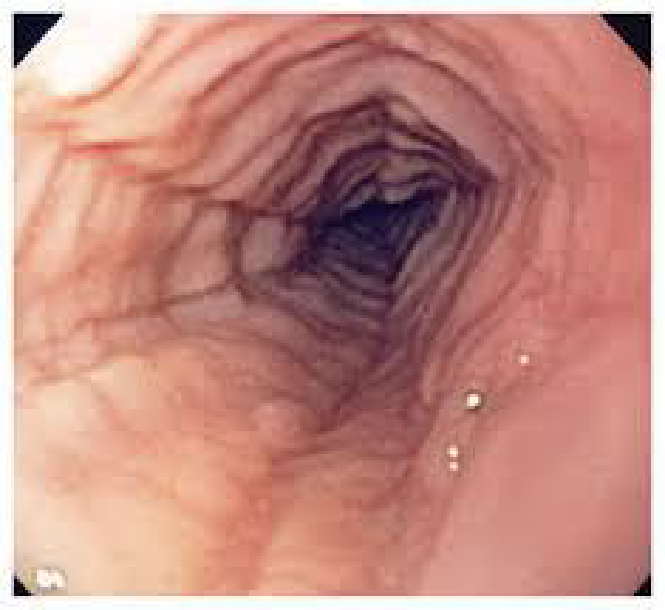
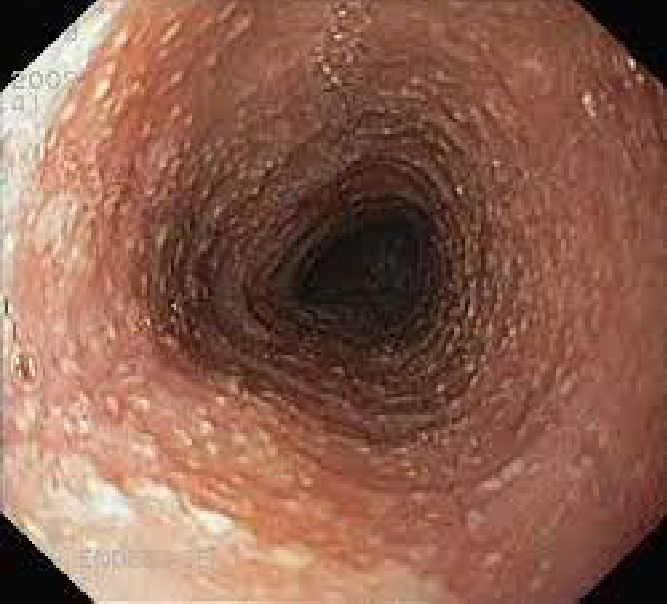
- Upper endoscopy (EGD): Direct visualization of the esophagus may reveal:
- Rings or furrows in the esophagus
- White exudates or plaques
- Narrowed segments or strictures
- Biopsy: Tissue samples are taken from multiple parts of the esophagus to confirm eosinophil infiltration (≥15 eosinophils per high-power field)
- Allergy evaluation: Identifying potential food or environmental triggers can guide therapy
- Exclusion of other causes: Conditions such as GERD or infections must be ruled out
What Are the Complications?
- Esophageal strictures: Narrowing due to chronic inflammation and scarring
- Food impaction: Risk of food getting stuck in the esophagus requiring endoscopic intervention
- Chronic inflammation: May lead to long-term esophageal remodeling if untreated
How Is Eosinophilic Esophagitis Treated?
Elimination of Triggering Foods
- Six-food elimination diet (SFED): Removes milk, eggs, wheat, soy, peanuts/tree nuts, and seafood
- Targeted elimination diet: Based on allergy testing or suspected triggers
Medications
- Topical corticosteroids: Swallowed steroid formulations (fluticasone, budesonide) reduce esophageal inflammation
- Proton pump inhibitors (PPIs): Used to control coexisting acid reflux and may have anti-inflammatory effects in EoE
Endoscopic Interventions
- Dilation: For patients with strictures or significant narrowing to improve swallowing
- Endoscopic treatment is generally reserved for structural complications, as dilation does not address the underlying inflammation
Monitoring and Follow-Up
- Regular endoscopy and biopsy are recommended to assess response to therapy and monitor for ongoing inflammation
- Symptom tracking is important, as improvement does not always correlate with histologic healing
- Patients with strictures or chronic disease may require long-term therapy and follow-up
Lifestyle and Supportive Measures
- Eat slowly and chew food thoroughly to reduce risk of food impaction
- Avoid foods known to trigger symptoms or identified by allergy testing
- Work with a nutritionist experienced in EoE for dietary planning and nutritional adequacy
What is Eosinophilic Esophagitis (EoE)?
What causes EoE?
What are the symptoms of EoE?
How is EoE diagnosed?
What complications can EoE cause?
How is EoE treated?
Do people with EoE need long-term treatment?
Can diet alone control EoE?
Is EoE the same as GERD?
When should I see a doctor for possible EoE?