
Colorectal cancer is the third most common non-skin cancer in both men and women, and the second leading cause of cancer-related death in the United States. While overall rates have declined due to increased screening and advances in treatment, these improvements have slowed in recent years.
Notably, colorectal cancer is increasingly affecting younger adults. Nearly 1 in 5 cases now occur in individuals under age 55, and it has become a leading cause of cancer-related death in people under 50. Because early stages often cause no symptoms, screening is critical for prevention and early detection. For this reason, colorectal cancer screening is now recommended starting at age 45 for average-risk individuals.
Why Early Detection Matters
Colorectal cancer often develops from precancerous growths called polyps. Early detection through screening significantly increases the chances of successful treatment by finding and removing pre-cancerous polyps before they progress to malignancy, or by detecting cancer at an earlier, more treatable stage.
Rising Rates in Younger Adults
The incidence of colorectal cancer in adults under age 50 has been rising by approximately 2% per year since the mid-1990s. In 2019, 1 in 5 colorectal cancers were diagnosed in people 54 years or younger, compared to just 1 in 10 in 1995. The steepest increases are occurring in adults younger than 40 years. This concerning trend highlights the importance of awareness, timely evaluation of symptoms, and early screening. In 2021, the US Preventive Services Task Force lowered the recommended starting age for colorectal cancer screening from 50 to 45 years for average-risk adults.
Early detection through appropriate screening is one of the most effective ways to prevent colorectal cancer.
Risk Factors for Colorectal Cancer
While the exact causes of colorectal cancer are not fully understood, several factors are known to increase risk. In the United States, more than 50% of colorectal cancers are linked to modifiable lifestyle factors.
Age
Risk increases with age, which is why routine screening is recommended beginning at 45. However, colorectal cancer is increasingly being diagnosed in younger individuals.
Polyps
Colon polyps are common and often do not cause symptoms. Certain types can gradually develop into cancer over time, which is why detection and removal are important.
Personal History
A history of colon polyps or colorectal cancer increases the likelihood of future polyps or recurrence, requiring closer surveillance.
Family History
Having a first-degree relative (parent, sibling, or child) with colorectal cancer or advanced polyps increases risk, particularly if diagnosed at a younger age.
Inflammatory Bowel Disease (IBD)
Long-standing inflammation of the colon, as seen in ulcerative colitis or Crohn’s colitis, can increase cancer risk over time.
Diet
Diets high in red and processed meats and low in fiber, fruits, and vegetables are associated with increased risk.
Obesity
Excess body weight is linked to higher risk, including earlier onset of colorectal cancer.
Physical Inactivity
A sedentary lifestyle is associated with increased risk, while regular activity appears protective.
Smoking
Long-term tobacco use increases both the risk of developing colorectal cancer and cancer-related mortality.
Alcohol
Moderate to heavy alcohol use is associated with increased risk, particularly with consistent intake over time.
Genetic Conditions
Certain inherited syndromes, such as Lynch syndrome and familial adenomatous polyposis (FAP), significantly increase lifetime risk.
Maintaining a healthy weight, staying physically active, avoiding tobacco, limiting alcohol, and following a diet rich in fruits, vegetables, and whole grains while limiting red and processed meats can help reduce colorectal cancer risk.
Why Screen for Colorectal Cancer?
Colon cancer screening can detect cancer, polyps, and nonpolypoid lesions (flat or slightly depressed areas of abnormal cell growth). While less common than polyps, these flat or depressed lesions may carry a higher risk of progression to colorectal cancer.
Detecting and removing polyps or other abnormal tissue during screening is one of the most effective ways to prevent colon cancer. Like many cancers, colorectal cancer is generally more treatable when identified at an early stage.
Colonoscopy is the only screening test that both detects and removes precancerous lesions during the same procedure. Regular screening starting at age 45 can detect polyps before they become cancerous and find cancer at earlier, more treatable stages.
How Is Colorectal Cancer Diagnosed?
There are several methods for detecting colorectal cancer, each with different strengths and limitations.
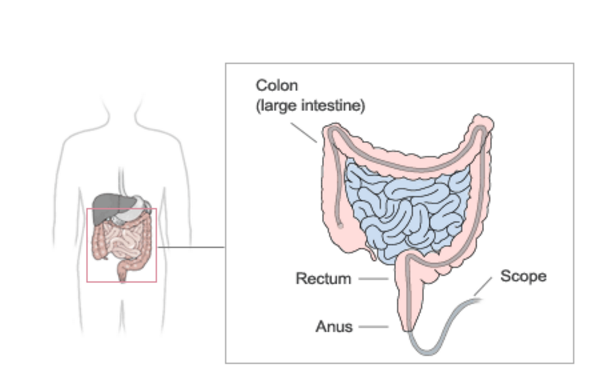
Colonoscopy
Colonoscopy is the most comprehensive screening method and is considered the gold standard for detecting and treating colon polyps. A thin, flexible camera is used to examine the entire colon, and polyps can be removed during the same procedure. Because precancerous lesions are removed at the time of detection, colonoscopy is the only screening method that can both identify and directly prevent colorectal cancer.
CT Colonography (Virtual Colonoscopy)
This imaging-based test can identify larger polyps but does not allow for removal. Any abnormal findings require a follow-up colonoscopy.
Multi-target Stool DNA Test (Cologuard)
Stool-based tests detect blood or DNA markers associated with cancer and advanced polyps. They are noninvasive and convenient, but:
- They do not remove polyps
- A positive result requires follow-up colonoscopy
- Some precancerous lesions may not be detected
Limitations of Stool DNA Testing
While stool DNA testing has approximately 93% sensitivity for detecting colorectal cancer, its sensitivity for advanced adenomas is lower (approximately 42–43%), meaning a substantial proportion of precancerous lesions may not be detected. Detection rates for smaller polyps are even lower.
A negative result does not exclude the presence of precancerous lesions. In addition, false-positive results can occur. In one community-based study, approximately 73% of individuals with a positive test did not have advanced adenomas or colorectal cancer on follow-up colonoscopy.
The most appropriate screening test depends on your individual risk factors, preferences, and goals. The best screening test is the one that gets done – however, methods that allow for both detection and removal of precancerous polyps offer the greatest preventive benefit.
At BonheurMD, we take a personalized approach and will help guide you toward the option that best aligns with your needs.
Frequently Asked Questions (FAQ) About Colorectal Cancer Screening
What is colorectal cancer screening?
Colorectal cancer screening includes tests that detect early cancer or precancerous polyps in the colon and rectum before symptoms develop.
At what age should I start screening for colon cancer?
For average-risk adults, screening is recommended beginning at age 45. Earlier screening may be appropriate based on family history or other risk factors.
Why is colorectal cancer screening important?
Screening can prevent colorectal cancer by identifying and removing precancerous polyps and can detect cancer at an earlier, more treatable stage.
What are polyps?
Polyps are abnormal growths in the lining of the colon or rectum. Some types can gradually develop into cancer if not removed.
What are the symptoms of colorectal cancer?
Symptoms may include changes in bowel habits, rectal bleeding, unexplained weight loss, abdominal pain, or anemia. However, early colorectal cancer often causes no symptoms.
What is the best test for colorectal cancer screening?
Colonoscopy is the most comprehensive screening option because it allows for both detection and removal of polyps during the same procedure. Stool-based tests and other screening options may be appropriate for some individuals.
What is a stool DNA test?
Stool DNA tests screen for blood and genetic markers associated with colorectal cancer and advanced polyps. They are noninvasive but do NOT allow for polyp removal to prevent colorectal cancer.
If my stool test is positive, do I still need a colonoscopy?
Yes. A positive stool-based test should be followed by a colonoscopy to evaluate the findings and remove any polyps.
How often do I need a colonoscopy?
For average-risk individuals with a normal exam, colonoscopy is typically repeated every 10 years. The interval may vary depending on findings and individual risk factors.
Can colorectal cancer be prevented?
Many cases can be prevented through screening and removal of precancerous polyps, along with healthy lifestyle choices.
What increases my risk for colorectal cancer?
Risk factors include age, family history, a personal history of polyps, inflammatory bowel disease, obesity, smoking, alcohol use, and diets high in red or processed meats.
Is colorectal cancer more common in younger people now?
Yes. Rates in adults under 50 have been increasing, which is one reason screening now begins at age 45 for average-risk individuals.
Do I still need screening if I feel healthy?
Yes. Most early colorectal cancers and polyps do not cause symptoms, so screening is important even if you feel well.
Is colonoscopy safe?
Colonoscopy is a safe and commonly performed procedure. Serious complications are uncommon.
Will I be sedated during a colonoscopy?
Yes. Most colonoscopies are performed with sedation to ensure comfort.
How do I prepare for a colonoscopy?
Preparation involves a temporary change in diet and a bowel-cleansing regimen to allow for a clear view of the colon.
Is colorectal cancer screening covered by insurance?
Most screening tests, including colonoscopy for average-risk individuals starting at age 45, are covered by insurance. Coverage may vary depending on your insurance plan.
What is the most important takeaway about colorectal cancer screening?
Regular screening saves lives by preventing colorectal cancer or detecting it early, when it is most treatable.